
Luxury Condos in Columbus, Ohio: The Complete Buyer's Guide to Downtown Living
Columbus has become one of the most compelling cities in the Midwest for luxury condo buyers, and downtown specifically has transformed into a genuine 24/7 residential neighborhood with a lifestyle that rivals what you'd find in much larger markets, at a fraction of the price. If you've been watching this market from the outside and wondering whether downtown Columbus is right for you, this guide covers what you actually need to know: the lifestyle, the neighborhoods, the buildings worth considering, and the questions that matter before you write an offer.
I've been selling luxury real estate in Columbus for years, and the downtown condo market is where I spend a lot of my time. What follows is my honest picture of what downtown living looks like, which buildings are serious options at the luxury level, and how to think through the decision before you start touring.
Why Downtown Columbus Has Changed
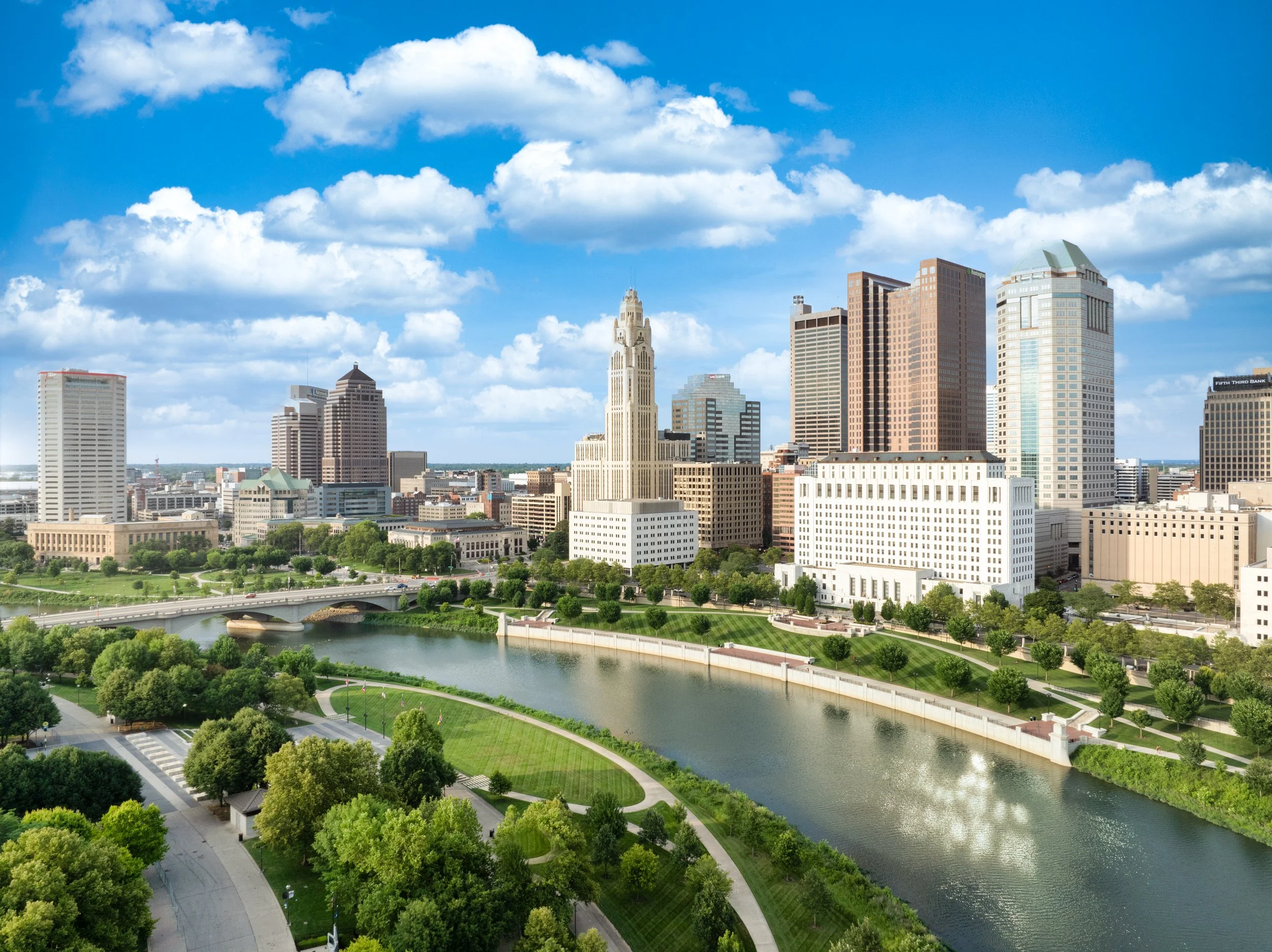
The Columbus I sold condos in ten years ago looked meaningfully different than the one I'm working in now. The Scioto Mile wasn't fully developed. The Arena District was primarily a sports destination rather than a residential neighborhood. Miranova was one of the only luxury high-rise options in the city. The Short North had good restaurants but felt like a destination rather than a neighborhood you'd actually live in.
All of that has shifted. Downtown Columbus now has a Walk Score of 82, a Transit Score of 62, and a Bike Score of 81, which puts it in genuinely rare company for a Midwest city. The resident population downtown has roughly doubled over the last 15 years. The city is adding a Capital Line, a two-mile path for cyclists and pedestrians connecting the Arena District to the Scioto Mile and the Discovery District. The North Market is expanding its footprint by 18,000 square feet with a new outdoor plaza. A 32-story Merchant Building is coming to the heart of downtown by spring 2027, bringing 162 hotel rooms, private residences, expanded North Market space, and destination restaurants.
None of that was in place when the first generation of Arena District buyers moved in. The buyers who purchased at Parks Edge or North Bank a decade ago have watched their neighborhood grow into something meaningfully richer than what they bought into, and the trajectory isn't finished.
The other thing that has changed is the profile of who's looking. A significant portion of the buyers I work with in downtown now are coming from outside Columbus, executives relocating for roles at Nationwide, OhioHealth, or the companies following Intel's investment into the New Albany corridor. For those buyers, Columbus luxury pricing is a revelation. What $900,000 buys in downtown Columbus — the square footage, the building, the views, the location — doesn't have a comparable in Chicago, Nashville, or any of the coastal markets they're coming from.
The Downtown Columbus Lifestyle: What Daily Life Actually Looks Like
Before you start comparing buildings, it's worth being honest with yourself about the lifestyle you're buying into, because downtown Columbus condo living is genuinely different from anything in the suburbs, and different from what most people imagine before they live it.
The version I hear most often from buyers after they've been here six months: "I had no idea how much I'd use the city." They walk to dinner on a Thursday night without thinking about it. They're at Nationwide Arena for a Blue Jackets game with 15 minutes' notice. They do their weekend errands on foot, hit the North Market on Saturday morning, walk the Scioto Mile on Sunday, and don't move their car for three days. That's not an unusual week for a downtown Columbus condo owner. It's a pretty standard one.
The Scioto Mile is the backbone of downtown outdoor living, an expansive network of riverfront parks spanning over 175 acres along the Scioto River, with biking and walking paths connecting neighborhoods from the Arena District south through German Village and beyond. Bicentennial Park anchors the center of it with fountains, an amphitheater, and river views. Most Arena District and RiverSouth condo owners can access a trailhead within five minutes of their building.
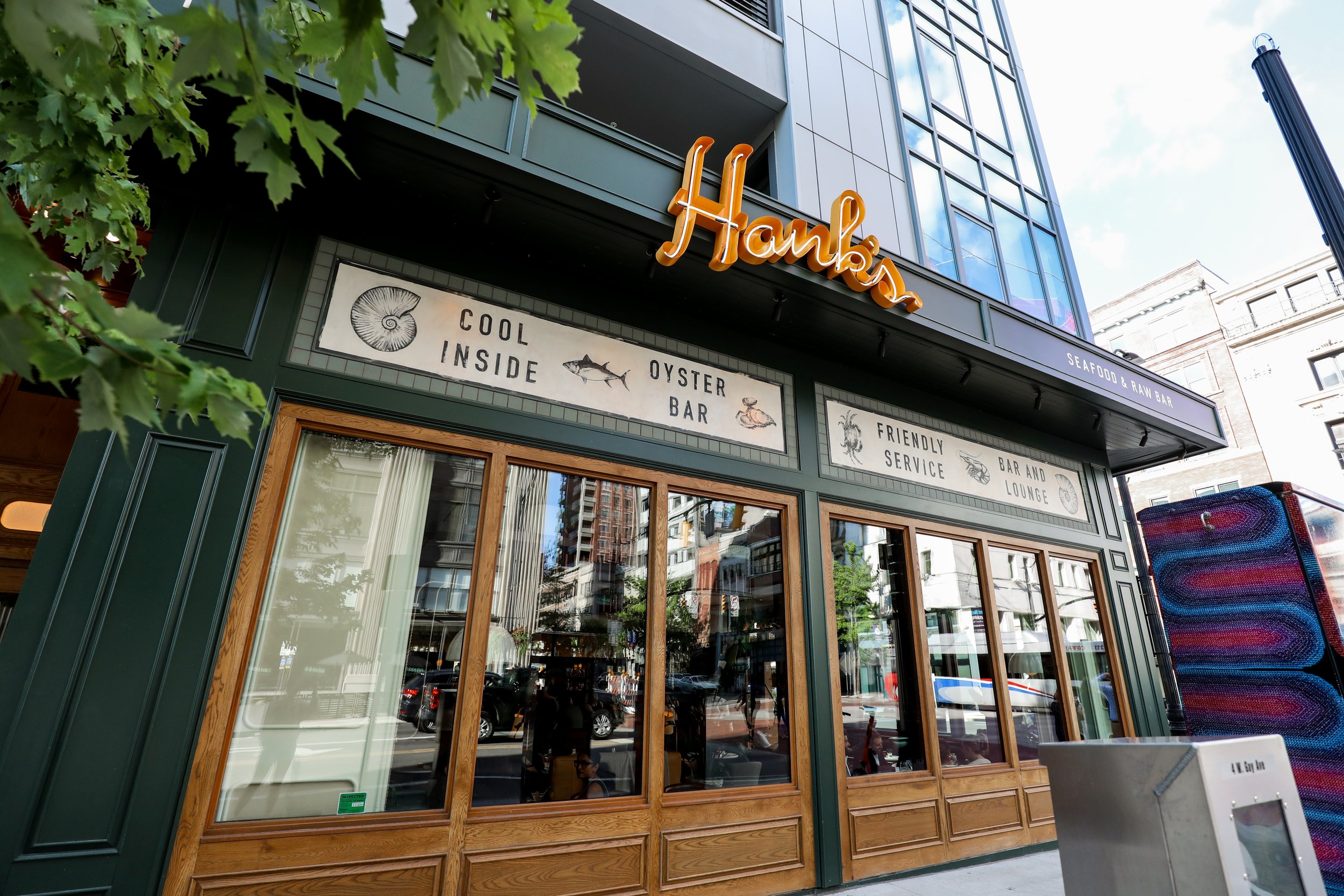
The dining scene has matured significantly. The Gay Street Corridor has become one of the genuinely better restaurant streets in the city, with Speck, Chouette, and Hank's Seafood a short walk from multiple condo buildings. The Short North is close enough that most downtown residents use it regularly, with the monthly Gallery Hop drawing the neighborhood to life on the first Saturday of every month.
Events are consistent enough that they become part of the rhythm of downtown life. Red, White and Boom, the July 4th fireworks event, is visible from the balconies of most Arena District and RiverSouth condos. The Columbus Arts Festival brings the Scioto Mile to life every June. CBUS Soul Fest, the Columbus Marathon, and the Columbus Crew season create a calendar of neighborhood energy that suburban living simply doesn't offer.
What buyers sometimes underestimate before they move: the noise factor and the event-day parking situation on major sports nights. If you live in the Arena District, a Blue Jackets playoff game means the streets around your building fill up. Most people who buy there end up enjoying it, but it's worth knowing before you sign rather than after.
The Neighborhoods Within Downtown: They're Not All the Same
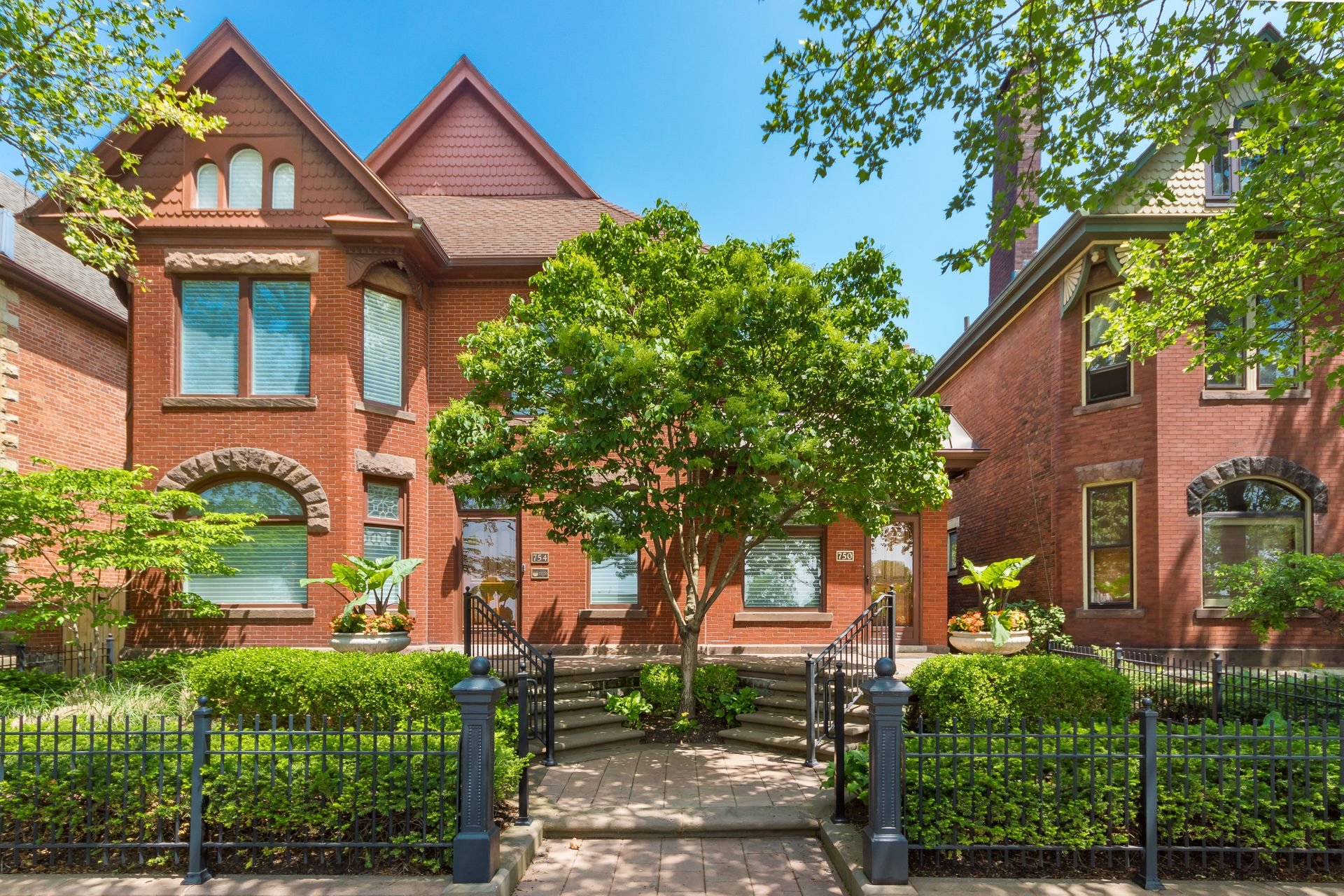
"Downtown Columbus" covers more ground than most buyers realize, and the different pockets within it feel meaningfully different from each other. Where your building sits within downtown affects your daily experience more than the building's specific amenities do for most people.
The Arena District
The Arena District runs along the Scioto River in the northwest corner of downtown, centered on Nationwide Arena. It's the most active and event-oriented part of downtown, with Huntington Park, Lower.com Field, and KEMBA Live all within walking distance of the major residential buildings. The built environment is almost exclusively modern, featuring glass-fronted towers and red-brick lofts alongside a dense concentration of restaurants, bars, and entertainment venues. Parks Edge, North Bank, and Burnham Square all sit here.
The tradeoff for the energy: on event nights, the streets get busy and the restaurants fill up. For most Arena District buyers, that's the point. For buyers who want proximity to everything but a slightly quieter baseline, the Uptown District or Gay Street Corridor might be a better fit.
The Uptown District
The Uptown District sits just south of the Arena District and encompasses the area around High and Broad Streets, Capitol Square, and the historic Ohio Theatre and Palace Theatre corridor. High-rise condos sit on the same block as historic landmarks here, giving the neighborhood a mix of institutional presence and urban energy. LeVeque Tower, Carlyle's Watch, and The Citizens are all in or adjacent to this zone.
The Uptown District has a slightly different rhythm than the Arena District: it leans more toward walkable access to government, arts, and the city's institutional core. Columbus Commons, a downtown park with a carousel, regular concerts, and weekly events, is right here.
The Gay Street Corridor and RiverSouth
The Gay Street Corridor and the RiverSouth area, stretching south along the river from the Arena District toward German Village and Miranova, offer a quieter version of downtown living that still keeps you close to everything. The Gay Street Corridor has genuinely become one of the better dining streets in the city, and RiverSouth sits at the edge of where downtown energy gives way to the more residential character of the river's south end.
Miranova anchors the RiverSouth luxury condo market. Buyers who choose this location tend to value the Scioto River views and the separation from Arena District event traffic, while remaining close enough to walk to the Scioto Mile, German Village, and the city's core.
Roger's Core Developments: Parks Edge, North Bank, and LeVeque Tower
These are the three buildings I work with most closely, where I have the deepest transaction history, and where I can give you the most specific guidance. If you're seriously looking at downtown Columbus luxury condos, start here.
Parks Edge Condominiums: The Arena District's Modern Standard

Parks Edge sits at 250 W. Spring Street between McFerson Commons and North Bank Park, and it's the newest of the major downtown developments. Built in three phases with the final building completed in 2021, the construction quality and finishes reflect where the market is now rather than where it was 15 years ago. Units range from about 1,500 to 3,000 square feet, with townhome options on the ground floor and single-level condos above. Pricing on resale units generally starts around $750,000, climbing well above $1 million for larger floor plans.
The rooftop pool and hot tub are genuinely used rather than just photographed for marketing. The outdoor kitchen, social room, fitness center, 24-hour concierge, and guest suite round out the amenities in a way that feels complete. The location puts you within walking distance of Nationwide Arena, Huntington Park, Lower.com Field, and the Scioto Mile.
One detail worth knowing early: Parks Edge units came with a 15-year, 100% property tax abatement, and some units still have meaningful time remaining on that benefit. The abatement can represent significant savings. I always confirm what's remaining before a buyer gets serious about a specific unit.
The buyer Parks Edge tends to attract: someone who wants modern finishes, a full amenity package, and to be at the center of Arena District energy. It's the right building for someone who wants everything new and who wants to walk to a game, to dinner, and to the river without thinking about it.
North Bank Condominiums: Character the Newer Buildings Can't Replicate
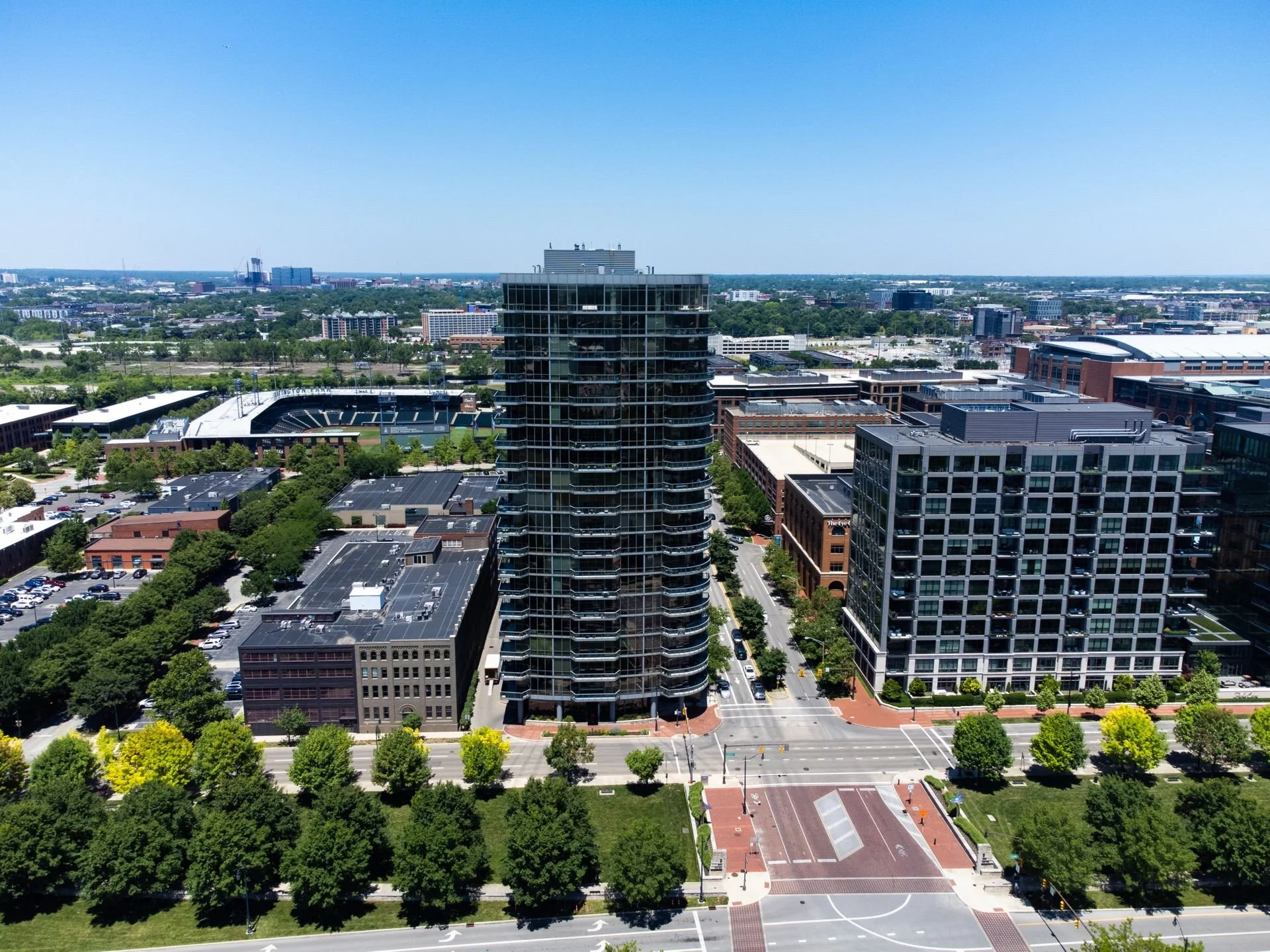
North Bank at 300 W. Spring Street is the building that started the high-rise condo conversation in the Arena District. Completed in 2007, it's a 20-story curved glass tower attached to a converted A&P warehouse, and that combination of the tower's modern feel with the warehouse's industrial character gives the building something that newer construction simply doesn't replicate.
The 109 units range from about 1,500 to over 4,600 square feet, with one, two, and three-bedroom floor plans across the tower and the loft-style warehouse units. The median sale price in the North Bank area as of April 2026 was around $770,000, with penthouses and larger layouts reaching into the multi-millions. HOA fees average roughly $0.62 per square foot, covering building amenities, gas, trash, and exterior maintenance.
The choice between the tower units and the warehouse lofts is one of the most interesting decisions in the downtown market. Tower residences give you floor-to-ceiling windows and the feel of a classic high-rise. The warehouse lofts lean into exposed brick and industrial detail. Same building, same concierge, same heated parking garage — two meaningfully different aesthetics. I always suggest buyers see both sides before deciding which direction they want to go.
What the amenity list doesn't capture: this building has a community feel that newer developments haven't had time to develop. Some of the people who bought at North Bank when it opened are still there. That tells you something about whether the building delivers on what it promises.
LeVeque Tower Residences: For the Buyer Who Wants to Live Inside History

LeVeque Tower is in a category of its own, and not every buyer who inquires about it ends up being the right fit, which is worth being upfront about. The building was constructed in 1927 and was, at the time of completion, the fifth-tallest building in the world. The $26.7 million restoration completed in 2017 preserved the Art Deco architecture, the terracotta facade, and the marble and bronze lobby while converting the upper floors into residences. Twelve condominiums sit on floors 19 through 34, with two penthouse units at the very top. Floors 5 through 10 house the Hotel LeVeque, part of Marriott's Autograph Collection, meaning residents have access to hotel-level concierge services, valet parking, The Keep restaurant and bar, in-room dining, and a dedicated Starbucks in the lobby.
Pricing starts around $290,000 for smaller units and scales into the high seven figures for the larger floor plans and penthouses. No two units are identical — each space has been individually configured within a historic shell, so the search process is less about picking a floor plan and more about finding the specific unit that works for how you actually live.
The buyer LeVeque tends to attract: someone who connects with the building's story as much as its location, often an executive who has lived in significant properties in other cities and wants something with genuine architectural presence.
Other Luxury Buildings Worth Knowing
These buildings don't have the same depth of Roger's involvement as the three above, but they're worth understanding if you're doing a thorough downtown search. Each one attracts a distinct type of buyer.
Miranova: Riverfront Living South of Downtown
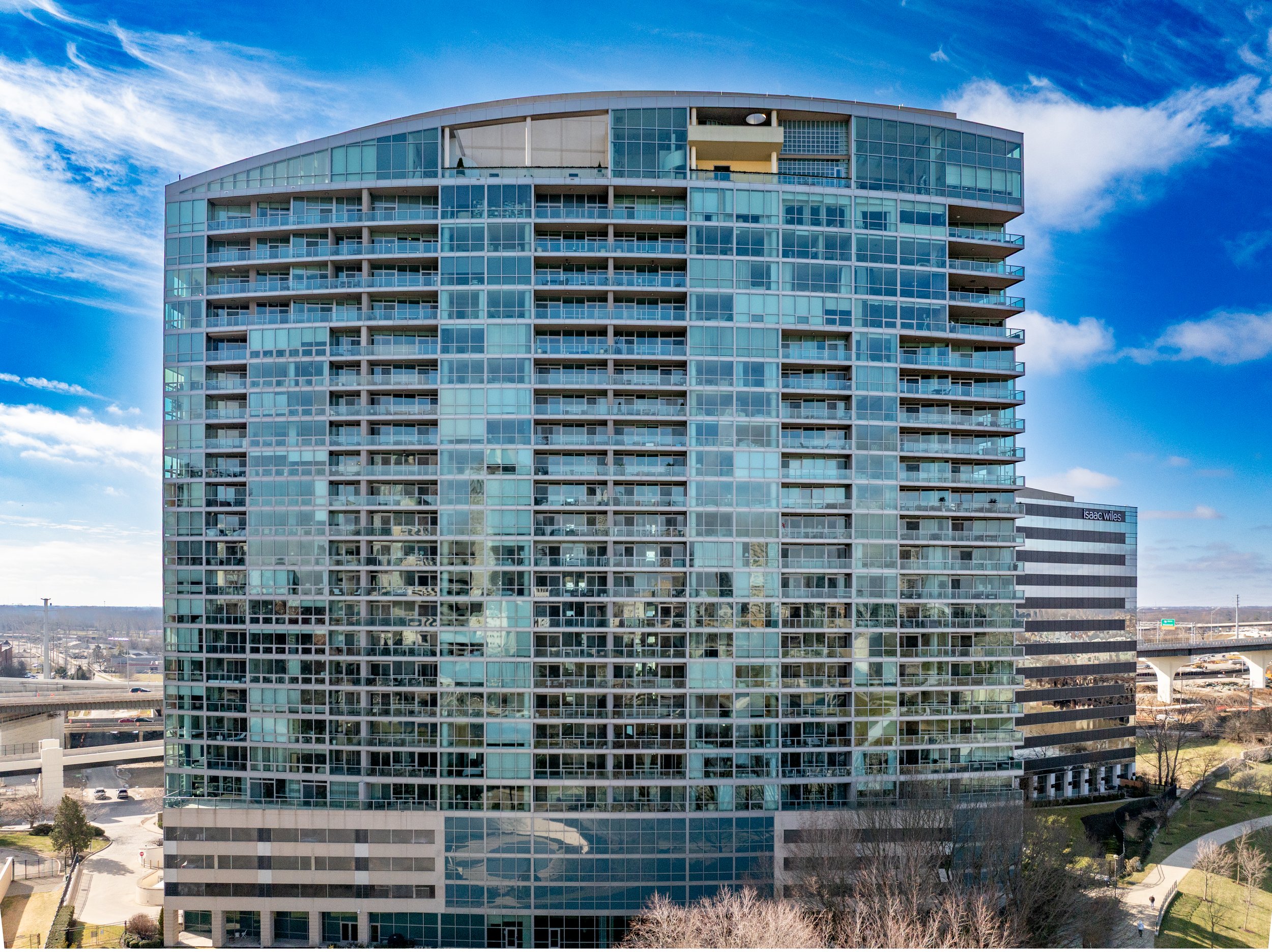
Miranova's 27-story tower at One Miranova Place is one of the tallest residential buildings in Ohio at 314 feet, located just south of downtown along the Scioto River. Completed in 2001 by the Pizzuti Companies, the building has 113 units with floor plans ranging from about 1,413 square feet to over 4,000 square feet, and 2026 pricing running from roughly $580,000 to well over $1.3 million.
The building's rounded glass design lets the main living spaces capture river, park, and skyline views from multiple angles. The concierge team of 18 dedicated professionals, heated pool, private health club, sauna, billiard room, car wash bays, and dog run give Miranova a service level closer to a luxury hotel than a typical residential building.
Burnham Square: Arena District Living at a More Accessible Price Point
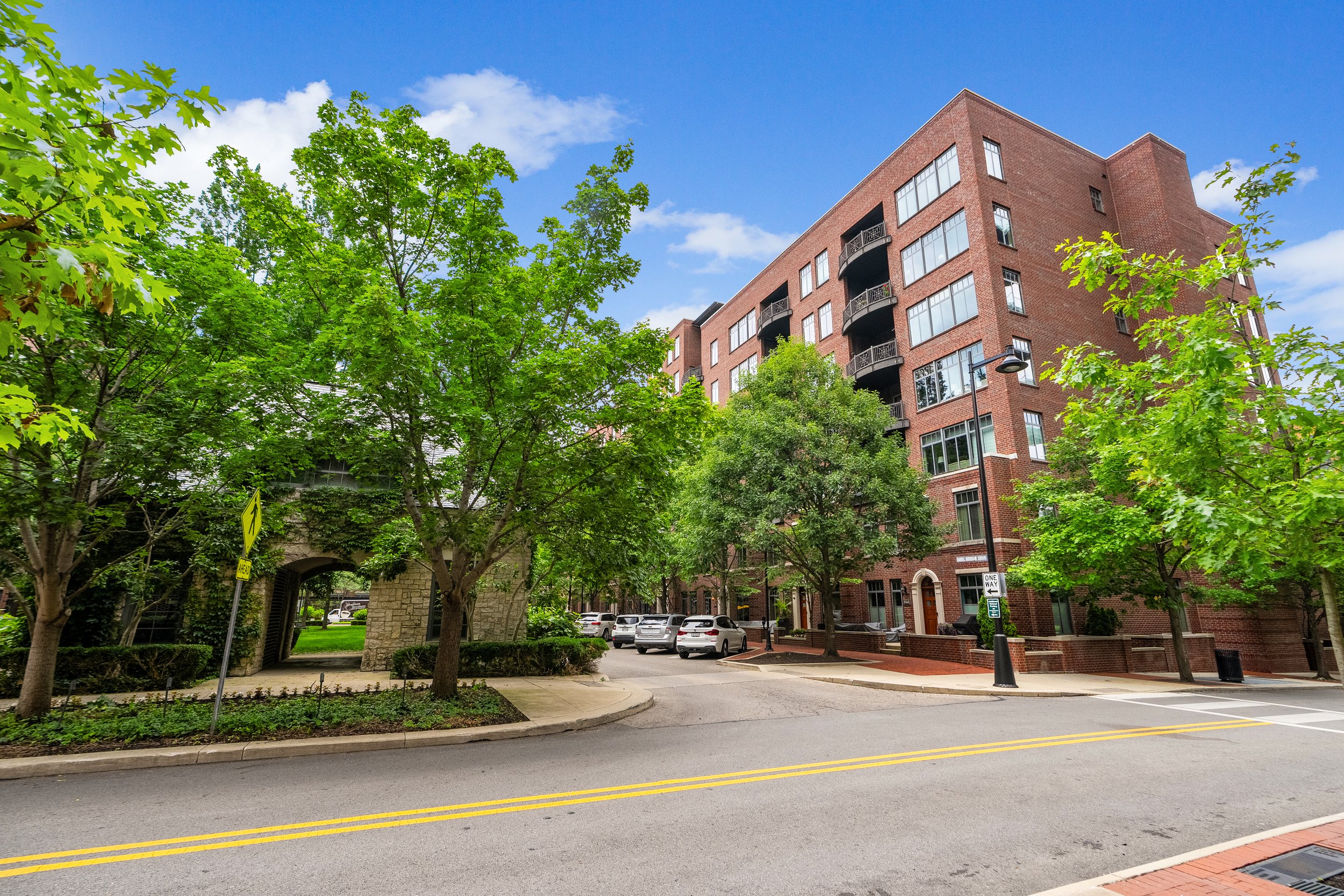
Burnham Square sits directly in the Arena District at Daniel Burnham Square, completing the Arena District condo trio alongside Parks Edge and North Bank. The two buildings hold roughly 155 units total, with sizes ranging from about 1,000 to 2,436 square feet and prices from around $330,000 for one-bedrooms to $535,000 for larger two-bedrooms. HOA fees run approximately $744 per month.
What Burnham Square offers that the taller buildings don't: a courtyard-centered, more neighborly feel in the same Arena District location, at a meaningfully lower price point. The buyer who tends to land here wants the Arena District address and walkability without the full high-rise price.
Carlyle's Watch: Boutique Downtown Living on the Gay Street Corridor
Carlyle's Watch is a mostly glass, nine-story building at 100 E. Gay Street with 54 units, completed in 2006. Units range from about 770 to 1,550 square feet, with sale prices typically landing between $300,000 and $450,000. Each unit has floor-to-ceiling windows, granite countertops, hardwood floors, an in-unit washer/dryer, and a parking space in the building's automated parking system. Amenities include a shared rooftop deck with city views.
What makes Carlyle's Watch distinct: it's mostly owner-occupied, which creates a stable, quieter building culture. The Gay Street Corridor location puts you steps from Capitol Square, Columbus Commons, and the Arena District.
The Dakota: Short North Living for the Walkable Arts District Buyer
The Dakota at 845 N. High Street serves a buyer who wants to be in the Short North Arts District specifically. The building features bamboo floors, stainless steel appliances, custom concrete countertops, private terraces, and a shared second-floor garden terrace, with daily concierge service and covered gated parking. Prices have ranged from the mid-$100,000s to close to $1 million depending on the unit and market conditions.
The Short North is Columbus's most walkable commercial corridor, with a cultural calendar anchored by the monthly Gallery Hop, Comfest, and Columbus Pride. The buyer who chooses The Dakota is usually someone who specifically wants to be in the Short North and walk to galleries, boutiques, and restaurants as a daily habit.
What to Ask Before You Buy Any Downtown Columbus Condo

The questions that end up mattering most in a condo transaction are rarely the ones buyers think to ask at the start. Here are the ones I work through with every buyer before they make an offer.
-
HOA fees are not just a monthly number to compare between buildings. What they cover varies considerably, and the reserve fund balance determines whether a building is financially healthy or carrying deferred maintenance risk. I pull the HOA financials on any building before a buyer gets serious about a specific unit.
-
In a 20-story building, not every unit described as having "skyline views" delivers equally. Some floors are partially obstructed by adjacent buildings. Some orientations give you the river, some the city, and some a parking structure. This distinction is obvious in person and nearly invisible in photos.
-
Parking in a downtown building can mean deeded spots that convey with the sale, assigned spots that don't, heated garage access, surface parking, one space or two. I confirm parking specifics on every unit before we go further.
-
The ratio of owners to renters in a building affects building culture, HOA stability, and long-term resale value. Carlyle's Watch is mostly owner-occupied, which contributes to its quieter community feel. I look at ownership data for any building before advising a buyer on it.
-
Parks Edge units came with a 15-year, 100% property tax abatement, and some still have years remaining. Confirming abatement status early in the process can meaningfully affect the total cost of ownership calculation.
-
This is the question most buyers forget to ask, and it's the one that matters most for day-to-day satisfaction. A building can look perfect in a weekend afternoon showing and feel completely different at 11pm on a Tuesday. I always recommend visiting at different times of day before you commit.
Owning Downtown vs. the Luxury Suburbs: How to Think About the Trade-Off
Most of the buyers I work with in downtown are also looking at properties in Upper Arlington, Bexley, or German Village. The trade-offs are real, and it's worth walking through them before you start touring rather than figuring them out six months in.
Downtown condos give you walkability, lock-and-leave maintenance-free living, building-level security and services, and access to the Arena District, the Scioto Mile, and the Short North without a car. What you give up is square footage, private outdoor space, and the quieter rhythms of a residential neighborhood.
The luxury suburbs give you more space, a private yard, and in some cases top-tier school districts. What you give up is the walk-to-everything lifestyle and the building-level services that eliminate a category of homeownership friction.
Most buyers know fairly quickly which life they want. The ones who take longer tend to be weighing how much they use a yard, how important walkability is to daily life, and what current maintenance costs them in time and mental energy.
For buyers who want to explore the full picture, our Keller Williams Luxury page — covers the private client approach we bring to both condo and single-family buyers.
What Comes Next for Downtown Columbus
Part of what makes the downtown Columbus condo market worth taking seriously in 2026 is what's still coming. The Merchant Building, a 32-story mixed-use tower opening in spring 2027, brings 162 hotel rooms, private residences, and expanded North Market space to the heart of downtown. The Capital Line, a two-mile dedicated pedestrian and cyclist path connecting the Arena District to the Discovery District via the Scioto Mile, is under development. The North Market is expanding by 18,000 square feet. The Franklin Park Conservatory has a 25-year master plan with renovations beginning in 2026.
Buyers who purchase in downtown Columbus now are buying into a neighborhood that is still in the middle of its development arc, not one that peaked ten years ago.
Ready to Start Your Downtown Columbus Condo Search
Downtown Columbus condo buying requires a different kind of guidance than single-family home buying. The building matters as much as the unit. The HOA financials, the reserve fund, the floor, the orientation, the parking arrangement, the owner-to-renter ratio — these are the variables that determine whether a purchase is genuinely right for you, and most of them don't appear in a listing description.
I know these buildings well, and I'm happy to walk through what's currently available and what the right fit looks like for your situation. The best first step is a conversation.
You can also explore the individual development pages for Parks Edge, North Bank, and LeVeque Tower. And if you're still early in the process, how we work with buyers.
Frequently Asked Questions About Relocating to Columbus at the Luxury Level
-
The gap is significant. Columbus's median home price across the broader market sits around $286,000 as of early 2026, and the luxury tier, homes priced at $600,000 and above, covers what would cost $900,000 to $1.3 million or more in comparable neighborhoods in Boston, Chicago, San Francisco, or most coastal metros. Bexley averages around $570,000. Upper Arlington and Dublin median prices run $550,000 to $660,000 and above. New Albany luxury estates start around $600,000 and go well above $1 million.
-
It depends primarily on where you're working. Buyers heading to downtown offices at Nationwide, Huntington, or JPMorgan tend to look at Upper Arlington, Bexley, German Village, and downtown condos. Buyers connected to the Intel corridor or OhioHealth's northeast campus tend to look at New Albany and Dublin. Ohio State Medical Center buyers often look at Upper Arlington and Grandview Heights for proximity. For buyers working remotely or with flexible schedules, the neighborhood decision shifts toward lifestyle fit rather than commute, and downtown condos become a stronger option.
-
If you're confident in your neighborhood preference and have time to search before your move date, buying first avoids re-entering the market under pressure from a lease ending. If you're genuinely uncertain about neighborhood fit, renting first and using that time deliberately to learn commute patterns, school boundaries, and neighborhood rhythms is a sound approach. The risk of renting first is that the Columbus luxury market moves fast enough that waiting six months means competing in a market where the inventory has turned over significantly.
-
Well-priced, well-presented homes at the $600,000-plus level in Columbus are selling in 14 to 28 days. Overpriced homes at this level sit considerably longer, sometimes 60 to 90 days or more. For relocating buyers, the practical implication is that moving from exploratory interest to a written offer needs to happen faster than many out-of-town buyers expect. Front-loading your research before you arrive, so that in-person visits are decisive rather than exploratory, is the most effective way to manage that timeline.
-
Intel's $20 billion semiconductor investment in New Albany is the largest economic development project in Ohio in decades and has directly accelerated demand in the northeast Franklin County corridor. New Albany specifically has seen increased interest from tech executives, with luxury estates well above $1 million and significant new luxury construction entering the market. The broader effect on the Columbus metro is to add a durable, long-term demand driver to a market that was already growing steadily from healthcare, finance, and education sector employment.